
Working capital is that financial lifeline keeping businesses humming day-to-day—think of it as the cash buffer that covers bills while waiting for customer payments to roll in. But like any metric, it’s got its strengths and quirks, which we’ll unpack here in a straightforward way.
What Exactly Is Working Capital?
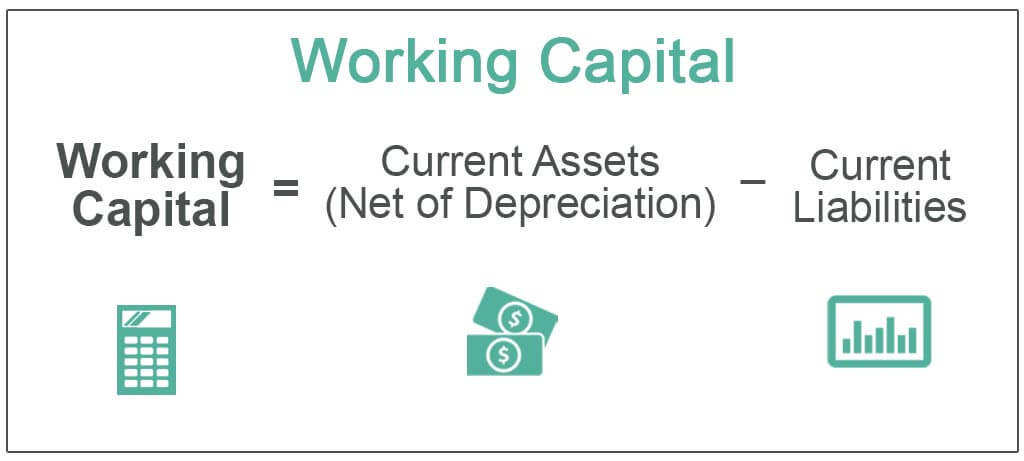
Hey there, let’s kick things off with the basics. Working capital is simply the money a company has on hand to run its operations smoothly without dipping into long-term savings or loans. It’s calculated as current assets minus current liabilities, giving you a snapshot of short-term financial health.
Current assets are things like cash in the bank, inventory ready to sell, and accounts receivable—basically, stuff you can turn into cash within a year. On the flip side, current liabilities cover bills due soon, such as accounts payable to suppliers or short-term debt.
Why does this matter? Positive working capital means you’re covered for the near term; negative signals potential trouble, like scrambling for cash. Businesses in retail or manufacturing obsess over this because their cash cycles can be unpredictable.
Breaking Down the Formula
The formula couldn’t be simpler: Working Capital = Current Assets – Current Liabilities.wallstreetprep+1
Plug in real numbers for clarity. Say a small retailer has $150,000 in current assets ($50,000 cash, $60,000 inventory, $40,000 receivables) and $100,000 in liabilities ($70,000 payables, $30,000 short-term loans). Subtract, and you’ve got $50,000 in working capital—enough wiggle room.
This isn’t just math; it’s actionable. Track it quarterly to spot trends, like if receivables are ballooning from slow-paying customers. Tools like Excel or accounting software make this a breeze for most folks.
Key Components of Working Capital
Diving deeper, current assets form the top half. Cash is king here—liquid and ready. Inventory is trickier; too much ties up cash, too little risks lost sales. Accounts receivable reflect sales on credit, but chase them aggressively to avoid delays.
Current liabilities keep things honest. Accounts payable let you delay payments to suppliers, stretching cash. Accrued expenses (wages, taxes) and short-term debt round it out—these are obligations you can’t ignore.
| Component | Examples | Impact on Working Capital |
|---|---|---|
| Current Assets | Cash, Inventory, Receivables | Increases WC if higher |
| Current Liabilities | Payables, Accrued Expenses, Short-term Debt | Decreases WC if higher |
Balance is key: Efficient management here can free up cash for growth, like marketing or hiring.
Why Working Capital Matters for Businesses
Imagine running a coffee shop—suppliers demand payment weekly, but customers pay on the spot. Solid working capital covers beans and cups during slow weeks. For larger firms, it’s about scaling: Amazon thrives on negative working capital by collecting from customers before paying suppliers.
It signals liquidity to investors and banks. Lenders love positive trends, as it shows you won’t default. Poor management? It leads to fire sales of inventory or emergency loans at high rates.
In volatile times—like supply chain hiccups post-2020—companies with strong working capital weathered storms better. It’s not just survival; optimized WC boosts profits by 1-2% through better cash flow.
Calculating Working Capital: Step-by-Step
Ready to crunch numbers? Step 1: Pull your balance sheet. List all current assets and sum them. Step 2: Tally current liabilities. Step 3: Subtract.
Example: Tech startup with $500K assets ($200K cash, $200K receivables, $100K inventory) minus $300K liabilities ($150K payables, $100K accrued, $50K debt) = $200K WC. Positive and growing? Green light.
Ratios help too—like the current ratio (assets/liabilities). Above 1.5 is comfy for most industries. Track changes monthly to catch issues early.
Advantages of Healthy Working Capital
First off, flexibility. It lets you seize opportunities, like bulk buys during discounts, cutting costs 10-20%.
Second, stability. Covers unexpected hits, like a machine breakdown, without halting ops. Creditors view it favorably, easing loan access at lower rates.
Third, efficiency. Tight WC management shortens cash cycles, turning inventory faster and collecting receivables quicker—pure profit fuel.
Common Pitfalls in Management
Even pros slip. Overstocking inventory sounds safe but locks cash—think fashion retailers stuck with unsold trends. Slow receivables? Offer early-pay discounts to flip them faster.
Ignoring seasonality hurts too. Holiday retailers need WC spikes; plan ahead with lines of credit. And don’t neglect payables—stretch ethically to preserve cash, but anger suppliers at your peril.
Limitations of the Working Capital Metric
Here’s where it gets real: Working capital is a snapshot, not a movie. It ignores timing—one day positive, next negative if big payments hit.investopedia+1
Industry variance is huge. Retail might run lean (negative WC okay), while construction needs hefty buffers for projects. Comparing apples-to-oranges distorts views.
It overlooks quality. Bloated receivables from bad debts inflate assets falsely. Non-cash items like depreciation sneak in, muddying liquidity reads.indeed+1
| Limitation | Issue | Workaround |
|---|---|---|
| Snapshot Nature | Point-in-time only | Trend over quarters |
| Industry Differences | Varies by sector | Use peer benchmarks |
| Ignores Cash Flow Timing | Misses delays | Pair with cash flow statement |
| Distorted by Non-Cash | Depreciation skews | Focus on operating WC |
Excess WC drags too—no returns on idle cash, opportunity cost bites. Too little? Operational stalls, like missing bulk deals.
Disadvantages of Excessive Working Capital
Too much isn’t always good. Surplus cash earns zero interest, better parked in investments yielding 4-5%.
It breeds complacency: Lax credit checks hike bad debts; overbuying inventory risks obsolescence. Profits dip from inefficiency—why hold $1M idle when it could fund expansion?
Rigidity sets in. Locked capital limits agility for R&D or acquisitions. SMEs especially suffer, as funds sit unproductive.
Risks of Inadequate Working Capital
Flip side: Shortages cripple. Can’t buy bulk? Higher costs eat margins. Operational plans falter—delayed hires, stalled marketing
Fixed assets underuse: Machines idle without supplies. Creditors tighten terms, spiking borrowing costs. Worst case? Insolvency looms.
Improving Your Working Capital
Actionable tips: Negotiate longer payables terms—30 to 60 days frees cash. Speed receivables with invoicing software; incentives like 2% off for early pay work wonders.
Inventory tweaks: Just-in-time ordering cuts holding costs 20-30%. Boost sales via promos to generate cash faster.
Forecast relentlessly—use tools like QuickBooks for projections. Lines of credit as buffers, not crutches.
Real-World Examples
Take a Gujarat textile firm (nod to Surat roots): High inventory ties 40% capital. Solution? Supplier financing unlocked $200K, funding new looms.
Walmart masters negative WC: $ billions in payables exceed assets, fueling growth. Contrast: Startups often bleed negative early, needing investor cash infusions.
Tools and Best Practices
Leverage ERP systems like SAP for real-time tracking. Key metrics: Days Sales Outstanding (DSO), Inventory Turnover.
Outsource AR if collections lag. Annual audits catch blind spots. Aim for WC as 10-20% of sales, adjusted for industry
In closing, working capital isn’t set-it-forget-it—it’s dynamic, demanding vigilance. Master it, and your business gains resilience and edge.